
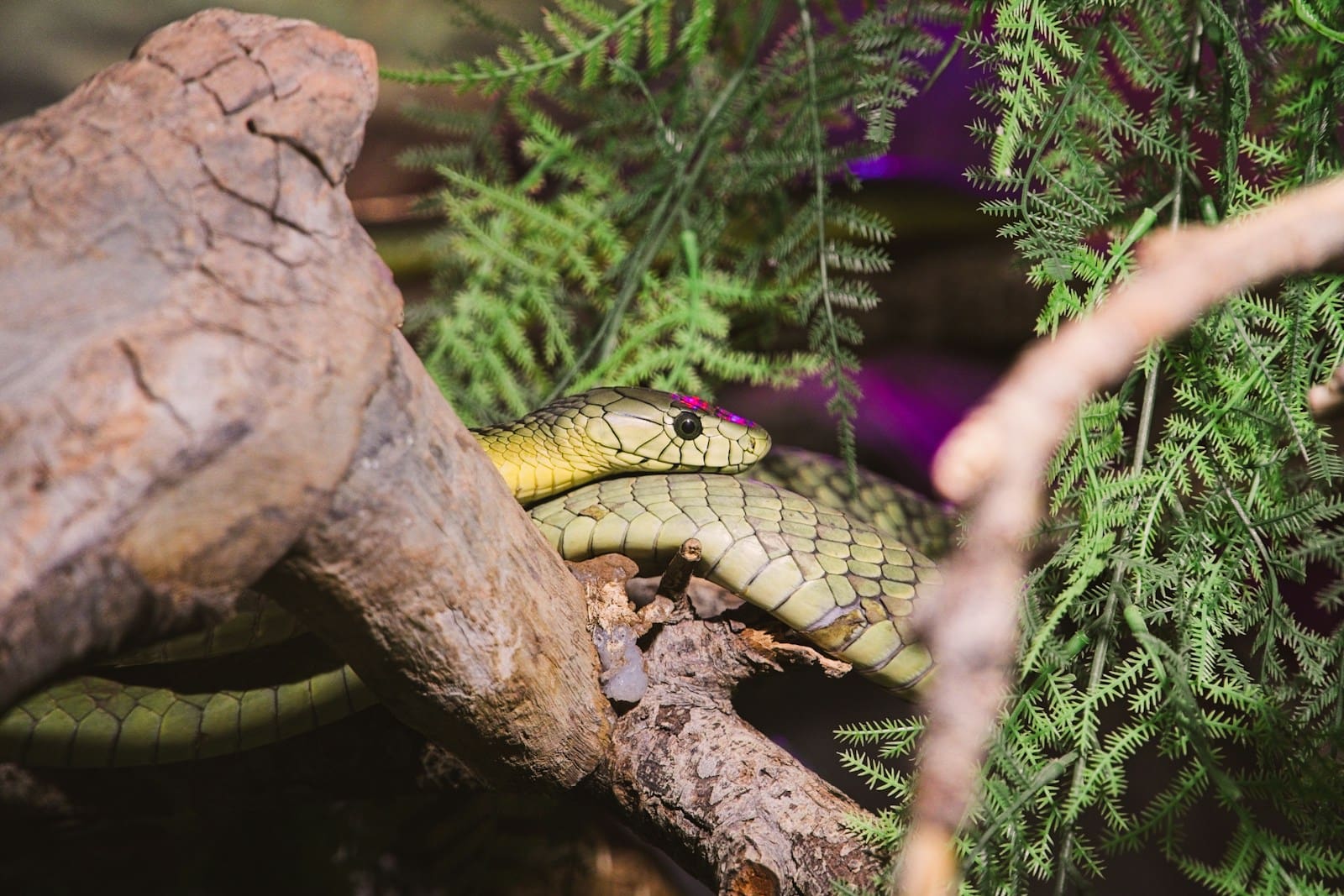
Snakes are often given a bad reputation, but they are actually among the most interesting animals one may have as pets and require relatively low maintenance. People think of them as cold or unpredictable, but they are clean, consistent, and really quite easy to manage once you understand their needs.
Pet snake care involves learning about very different habits than one might think of when considering dogs, cats, or small mammals—some of which may prove surprising even to experienced animal lovers. Whether you’re considering your first reptile or just curious, these facts show why keeping a snake can be both simple and rewarding.
1. They Choose Their Own Bathroom Spot
Unlike many animals that go anywhere, snakes prefer to keep things tidy. Most pet snakes naturally pick one specific part of their enclosure to use as a bathroom. This instinct helps keep their space cleaner and makes your job as an owner much easier.
2. They Use Water Bowls for More Than Drinking
- Water bowl use: Some snakes prefer to defecate in their water bowl; therefore, fresh water needs to be changed every day.
- Corner preference: Many prefer a corner far from their hiding place or food bowl.
- Consistency: They will usually stick to the same spot chosen, at least until you rearrange the tank.
3. They’re Cleaner Than You Expect
This behaviour comes from survival instincts in the wild. By keeping waste away from resting areas, snakes reduce bacteria and avoid attracting predators. It also means cleaning their cage is easier than you’d expect. Even with this neat streak, you should still give the enclosure a full clean every few weeks to maintain hygiene and prevent odours.
Read More: Why Ball Pythons Are Great Beginner Snakes
4. Their Skin Sheds in One Complete Piece
One of the most remarkable facts about pet snakes is their ability to shed their skin. While lizards flake off bits of old skin over time, a healthy snake removes its entire outer layer in one smooth piece—a perfect inside-out version of itself. This shedding process, known as ecdysis, occurs several times a year, particularly in young snakes whose growth rate is still extremely high.
A week or so before shedding, you’ll notice the snake’s eyes turn cloudy blue and its colours dull. This “in blue” stage happens when fluid separates the old skin from the new. During this period, your snake’s vision is poor, so it might act defensively or refuse food.
5. Humidity Matters More Than You Think
Once the old skin loosens, the snake starts peeling it away by rubbing its nose on rough surfaces, then sliding out of it like pulling off a sock. The shed skin often appears to be significantly longer than the actual snake, as it stretches during the process.
If it is too low, parts of the old skin may hang on around the eyes or tip of the tail, leading to infection or circulatory problems. Maintaining humidity at approximately 50-60% and providing textured surfaces, such as branches or rocks, ensures smooth, complete sheds.
Read More: How to Tell If Your Pet Reptile Is Stressed
What These Facts Mean for Snake Owners
These little-known snake ownership facts make caring for snakes much easier and even more enjoyable. Their regular bathroom schedule makes cleaning easy, and their shedding cycle gives ample warning of when they require a little extra care. Snakes aren’t messy, smelly, or high-maintenance; they’re organized creatures that do best in stable, well-kept environments.
By understanding how they behave, you can prevent common issues and appreciate their quiet, yet intelligent, nature. Whether you already share your home with one or are thinking of getting your first, knowing these details about pet snake care helps you build a healthier, more rewarding bond with your reptile companion.
Read More: The 10 Best Snakes for New Reptile Owners