
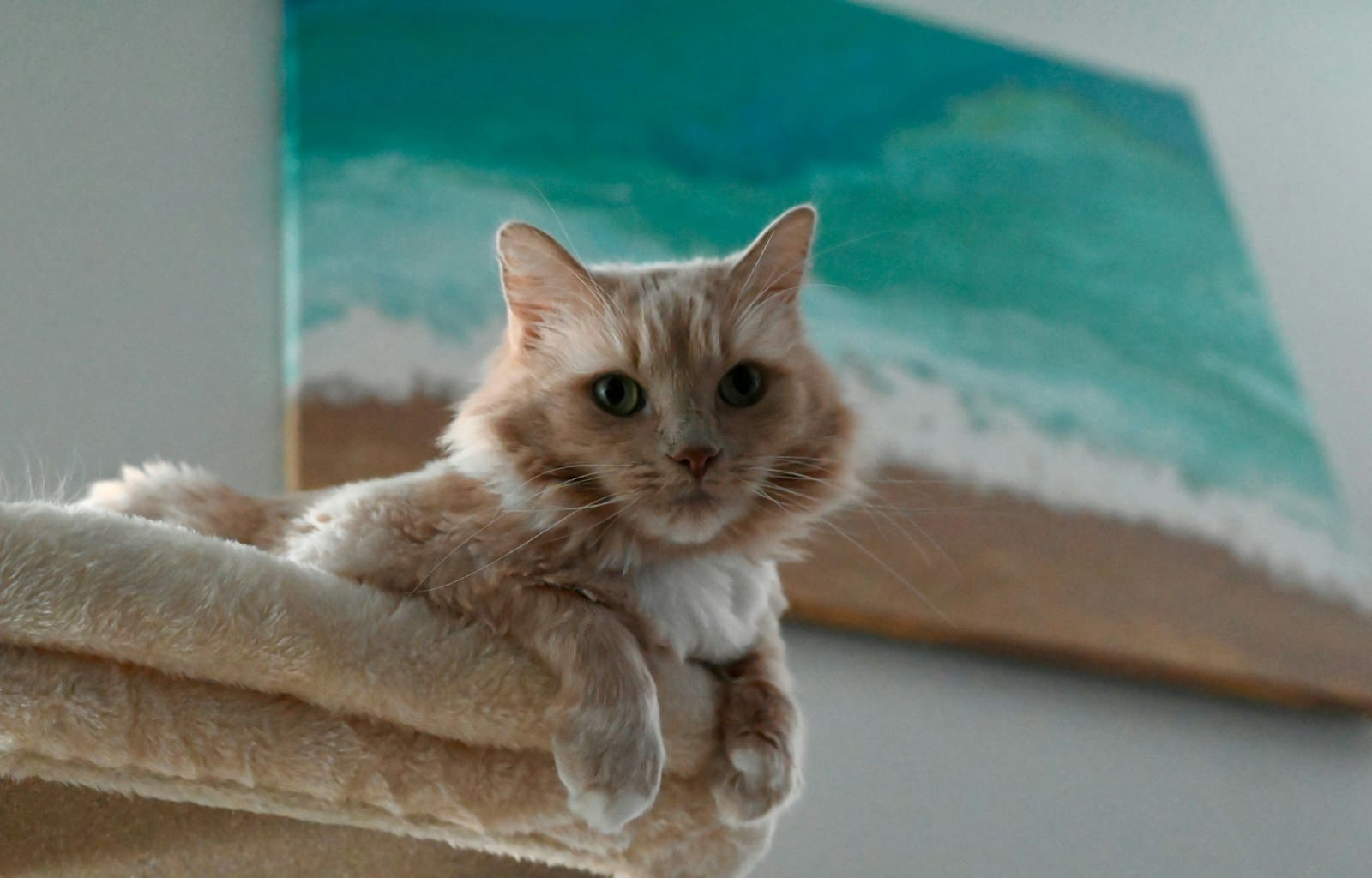
Your cat deserves to have a climbing paradise, but commercial cat trees are hugely expensive. The good news is that you can make a DIY cat tree using items already around the house. Cardboard boxes and old blankets leaning against strong pieces of furniture will turn into an exciting climbing structure, catering to the instinctive needs of your cat. In this way, it’s frugal, saves money, and your feline friend will have the vertical territory they want.
Materials You Will Need to Make a Homemade Cat Climbing Structure
To build a cat tree, start with a treasure hunt through the house. Cardboard boxes of all sizes make excellent platforms and great places to hide. Take that old wooden ladder from the garage or stack sturdy storage bins for climbing levels.
Wrap carpet remnants or some sisal rope from that abandoned craft project around for scratching posts your kitty will love. You will also need hot glue or a staple gun, zip ties for securing the pieces, and old towels or blankets for cushioned perches.
Key materials to look for:
- Examples of stable base items include wooden crates, end tables, or thick plywood.
- Climbing features: PVC pipes, yard-trimming branches, or broom handles
- Comfort additions include pillows, foam padding, or fabric scraps.
The beauty of the project is in its flexibility: no two DIY cat trees look alike, because you’re working with what you have.
Read More: The Rise of Catios: Why More Cat Owners Are Going Outdoor-In
Assembly and Safety Tips in Steps
Begin with a wide, heavy base that won’t tip over. A used nightstand or a weighted, wooden crate works well. You can begin to stack boxes or platforms at various levels and heights, securing them with zip ties through pre-punched holes. Wrap any exposed pole edges with sisal rope, gluing the ends in place with hot glue. Attach fabric-covered platforms to each level where your cat can lie or sit.
Test the stability of each level before allowing your cat access to them by pushing firmly on them. Avoid materials with splinters, sharp edges, or small parts that cats might swallow. Make all connections tightly because a wobbly structure is one big discouragement for use and risks injury. Place your finished DIY cat tree up against a wall for added stability, away from ceiling fans or curtain cords.
One cat owner reinvented three stacked milk crates by wrapping the corners with leftover sisal and adding cushioned shelves made from foam and fabric from old throw pillows. Total cost: zero dollars.
Read More: Litter Box Mistakes You Might Be Making (And Easy Fixes)
Budget Cat Furniture: How It Offers Enrichment Benefits
Cats are natural climbers, and their vertical space is crucial for them both mentally and physically. Your homemade climbing structure provides necessary exercise, reduces boredom, and helps prevent scratching on furniture. Multilevel designs enable cats to survey their territory from elevated perches, thereby reducing stress in multi-pet households. Hiding spots within your design give anxious cats a place to retreat to.
Make it interactive by dangling toys from higher levels, attaching crinkly paper to platforms, or rubbing catnip on scratching posts. Replace these elements at least once a week to prevent your cat from becoming bored with the homemade cat tree.
A cat tree made from household materials proves the point-one doesn’t necessarily have to spend a pretty penny to enhance the environment for a cat. With just a little creativity and basic materials, you’ll be able to create a customized climbing tower that works for your cat without breaking the bank in the process. Your feline friend will not care that their tree came from repurposed boxes and rope; they will just enjoy having their own vertical kingdom. Gather materials today and watch your cat enjoy their new favorite spot come tomorrow.
Read More: How to Tell If Your Cat Is Bored—and What to Do About It