Most cats are famously water-avoidant, but videos of felines playing in sinks and bathtubs have come to flood the internet. This sets up a puzzling combination when cat owners watch their pet either enthusiastically paw at running faucets or flee at the first sight of a water droplet.
The relationship between cats and water has something to do with genetics, early experiences, and individual personality and can vary dramatically. Understanding such factors helps you respect your cat’s preferences and makes bath time less stressful for everyone concerned.
Breed-Specific Traits That Influence Water Preferences
With their ancestry and coat features, some cat breeds naturally love the water. The Turkish Van is commonly known as the “swimming cat” because they are native to the area around Lake Van in Turkey and has a coat that is water-resistant and quick-drying.
The Maine Coon has thick fur that’s slightly water-repellent, and their ancestors often worked around fishermen, meaning they can be near water with no problem. The Bengals have a history of owning wild Asian leopard cats, which will often play in water bowls and sometimes join their owners in the shower.
Most share a few things in common: water-resistant coats and historical exposure to aquatic environments. Their fur is water-repellent, which prevents the uncomfortable, heavy, cold feeling that most cats detest.
Key water-loving breeds:
- Turkish Van and Turkish Angora
- Maine Coon and Norwegian Forest Cat
- Bengal and Abyssinian
While thick-undercoated breeds, like Persians, generally tend to avoid water because their fur can take several hours to dry and is heavy when wet.
Read More: Why Your Cat Is Obsessed with Zooming at 3 a.m.
Behavioral Factors in Feline Water Reactions
These early-life experiences play a significant role in shaping how cats perceive water throughout their lifetime. Those kittens that experience playful sessions with water during their tender ages of 3-7 weeks old remain curious about water even when they have grown up. In any case, cats with negative experiences associated with water, for example, being sprayed for discipline or falling into a bathtub, develop lifelong phobias.
Temperature sensitivity is another important factor. Cats prefer body-temperature water, at about 100° to 102°F; cold water invokes their instinctive need to avoid a situation that may pose a threat.
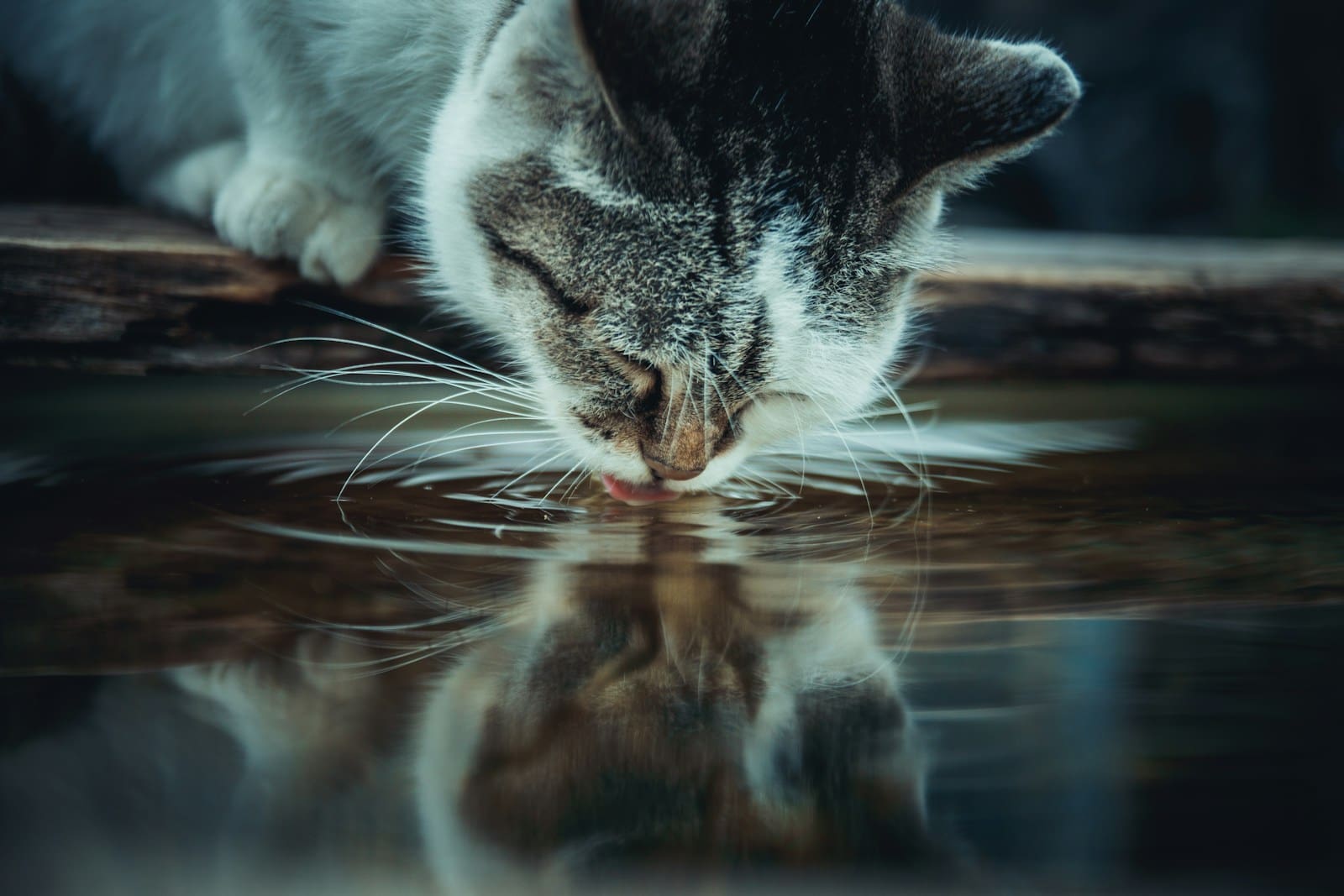
Much of feline behavior comes down to control. Cats do like to engage with water, but on their terms: batting at the dripping faucet or dipping paws into bowls is fun, but being submerged or splashed unexpectedly is quite another matter. This would account for why your cat might be quite happy to play with their water fountain yet freak out at bath time.
One owner of a Savannah cat related that her cat would voluntarily swim in the backyard pool during the summer months, yet that same cat showed stress when forced to be bathed. What’s the difference? Choice and control over the water interaction.
Read More: How the Pet Industry Became a $150 Billion Market—and What That Means for Owners
Practical Tips for Bathing Cats That Hate Water
Because cats are meticulous about grooming themselves, most cats don’t ever need to be bathed. As a general rule, only bathe for medical necessity, extreme grime, or old age when they can’t handle grooming themselves. Where it is impossible not to bathe cats, preparation reduces the stress considerably.
Place a rubber mat in the sink or tub for footing; a steady footing helps to reassure anxious cats. Fill the basin with only a few inches of lukewarm water, bring your cat in, and avoid running water sounds, as these can seem to traumatize many felines. Use a washcloth on the face, damp but not under direct water spray.
Work quickly but calmly; talk in soothing tones during this entire process.
Alternative cleaning methods:
- Waterless cat shampoo for light cleaning
- Spot cleaning grooming wipes for pets
- Visits from professional groomers for severely matted fur
Immediately after bathing, reward your cat with their favorite treats and a playtime session. This positive association does not make them love water, but it minimizes the trauma associated with future necessary cleanings.
The difference in their interaction with water is because of evolutionary adaptations, breed characteristics, and individual experiences. While some cats inherited traits that make them find water agreeable, others have biological and behavioral reasons for avoiding water.
Being respectful of your cat’s nature and taking gentle approaches to bathing, when absolutely necessary, helps them build a healthier relationship with water. Whether your cat is an enthusiast who enjoys spending time in the bathtub or a dedicated avoider of water, knowing the motives behind the actions will help you serve their needs correctly.
Read More: From Rescue to Royalty: The Year’s Most Heartwarming Pet Adoption Stories