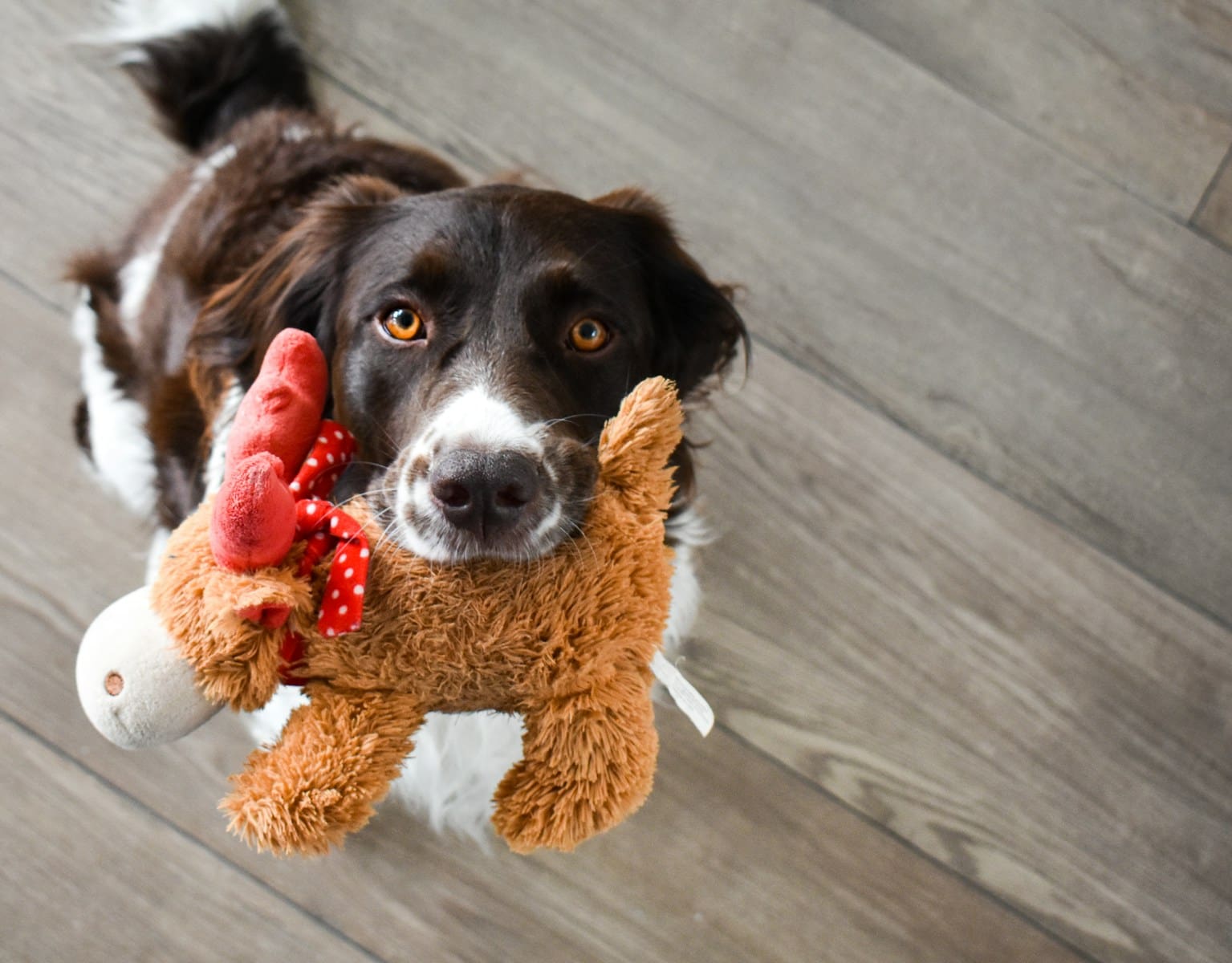
Watch a dog with his favorite squeaky ball or that ratty old stuffed animal, and you’re seeing something much more than mere play. The attachment dogs have to their favorite toys reveals some fascinating insights into canine psychology, memory, and emotional needs.
Some dogs tote the same toy around for years, while others change their favorite every week. Behaviorists now understand that attachment to a toy is instinctual, related to scents, and connected with individual personality traits. Here’s what science reveals about why your dog is fixated on that one particular toy.
What Makes a Dog Choose Their Favorite Toy
Toy preference is not arbitrary; rather, a lot goes into which ones turn into favorite toys and which ones are just another chew thingy. The most dramatic influence seems to be texture: soft toys appeal to dogs with light mouths and a nurturing instinct-think prey animals-while hard rubber toys attract the heavy chewer who requires some serious jaw stimulation.
Selection key factors include:
- Scent memory: The toys absorb the scent of both you and your dog, thereby comforting it because it is something familiar to it.
- Sound response: Squeakers stimulate the prey drive in most dogs, making those toys irresistible.
- Association of toys with success: Toys used during positive experiences-playtime with you, treat dispensing-become favorites
Dr. Stanley Coren, a canine psychologist and author, tells us that usually, dogs go for the toys that “died” well when they were playing with them. A toy that squeaks and then goes silent imitates successful hunting behavior; therefore, ancestral instincts are satisfied. That’s why dogs often prefer deflated or even broken toys over brand new ones.
Read More: 9 Low-Maintenance Dog Breeds for Busy or First-Time Owners
Using Favorite Toys for Training and Comfort
Smart trainers use a dog toy attachment as a strong motivational tool. In cases of high-energy breeds or dogs that are not highly food-motivated, a favorite toy works much better than treats. Reward your pet with their preferred toy during work time, but only bring it out then so that it stays special. A comfort toy gives anxious dogs a sense of security during periods of stress. Sleep with it for a few nights before taking him to the vet, boarding, or traveling, and leave your scent on the toy.
Several identical toys work for some dogs. You can rotate them as you wash one to prevent a panic when a comfort object is missing. Dr. Mary Burch, a certified applied animal behaviorist, suggests that introducing comfort toys early in a puppy’s life can create positive associations that last a lifetime.
Read More: 10 Reasons to Think Twice About Getting a Guard Dog
When Attachment to Toys Becomes a Problem
Most canine attachment to a toy is healthy, but excess guarding or anxiety needs attention. Resource guarding can take place when dogs become aggressive to protect their favorite toy from people or other pets. This calls for professional behavior modification and is not subject to punishment. Separation anxiety from the comfort object is another warning sign.
If your dog panics without his comfort object or won’t eat if his comfort object is not available, then consult your veterinarian or certified behaviorist for advice. Gradual desensitization helps dogs develop healthier relationships with comfort objects.
Understanding the psychology behind your dog’s favorite toy cements your bond and amplifies training. Whether it is a squeaker to stimulate their prey drive or a soft plushie for comfort, that preference reveals something about their personality and needs. Pay attention to which toys receive the most love, and then use those preferences strategically for positive reinforcement and emotional support. Your dog’s collection of toys tells you a story about who they are and what makes them feel comfortable and safe within your home.
Read More: Are Women Dog Trainers More Effective?