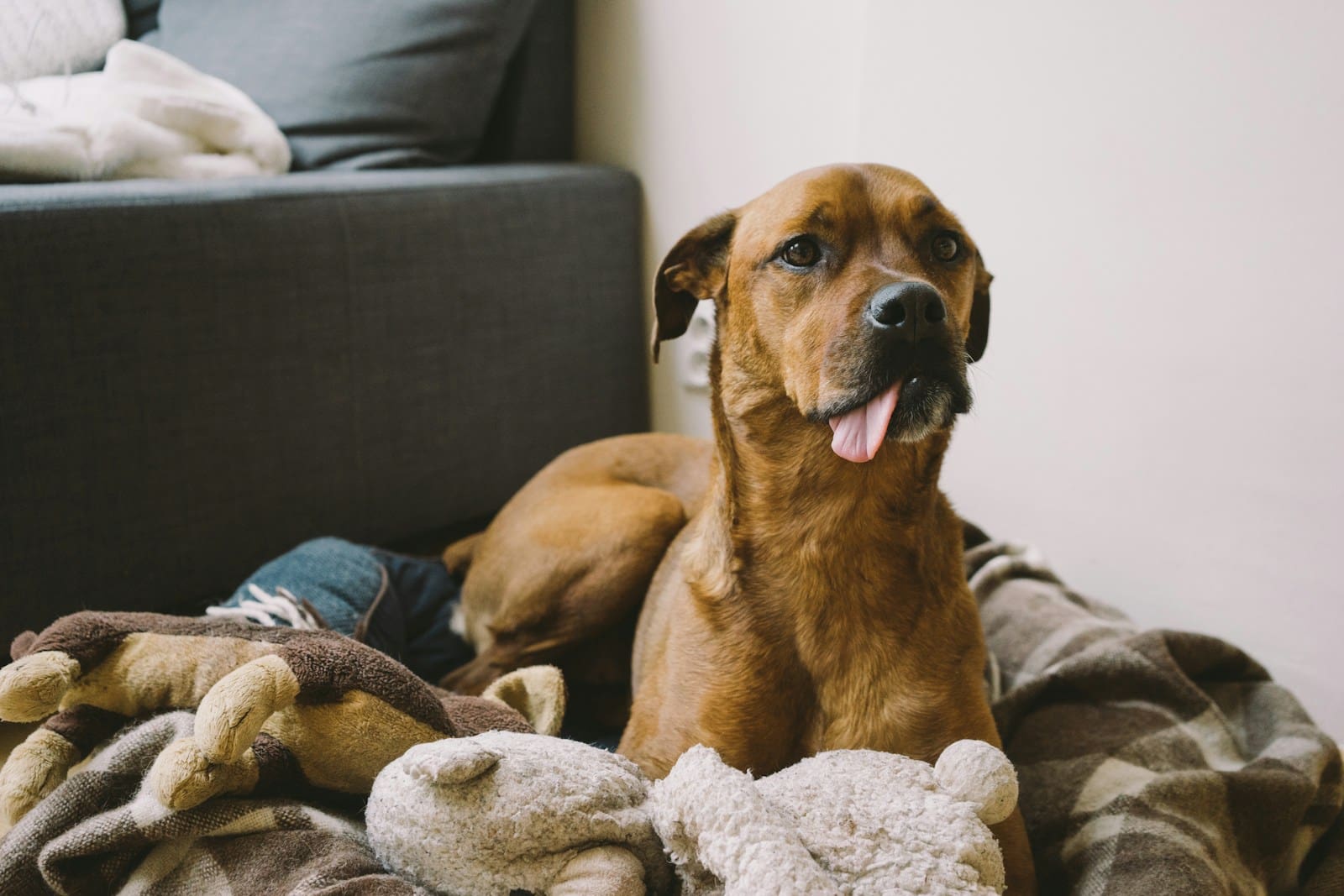
Your once-energetic pup now may struggle with stairs or hesitate before jumping onto the couch. Although often heart-wrenching to watch, proper care for senior dogs greatly improves their quality of life. While many dogs reach their senior years at about the age of seven, larger breeds tend to get older a little quicker.
Fortunately, simple adjustments to an exercise routine, nutrition, and home environment can help keep aging dogs mobile, mentally sharp, and comfortable.
Support Mobility and Joint Health
While it does not happen overnight with the dogs, aging and mobility are processes that may be managed proactively. Regular low-impact exercises help maintain healthy joints that are free from pain. Swap long hikes for multiple short walks throughout the day. Swimming offers a great joint-friendly cardio workout that builds muscle without stress.
Essential mobility support includes:
- Glucosamine and chondroitin are intended to maintain healthy cartilage and prevent inflammation.
- Orthopaedic beds: memory foam relieves pressure points, thus easing arthritis pains.
- Physical therapy: Underwater treadmills, massage, and improved range of motion
As Dr. Jerry Klein, the Chief Veterinary Officer at the American Kennel Club, reports, support for the joints of senior dogs should be instituted before there are apparent manifestations of this health problem.
Instinctively, dogs mask pain; therefore, preventive supplementation typically begins when the dog is five or six years old to maintain healthy joints for a longer period. Weight management plays a great role in this process. Every extra pound puts additional stress on the aging joints, thus accelerating their deterioration.
Read More: How to Socialize a Puppy Without Overwhelming Them
Maintaining Cognitive Functions through Mental Stimulation
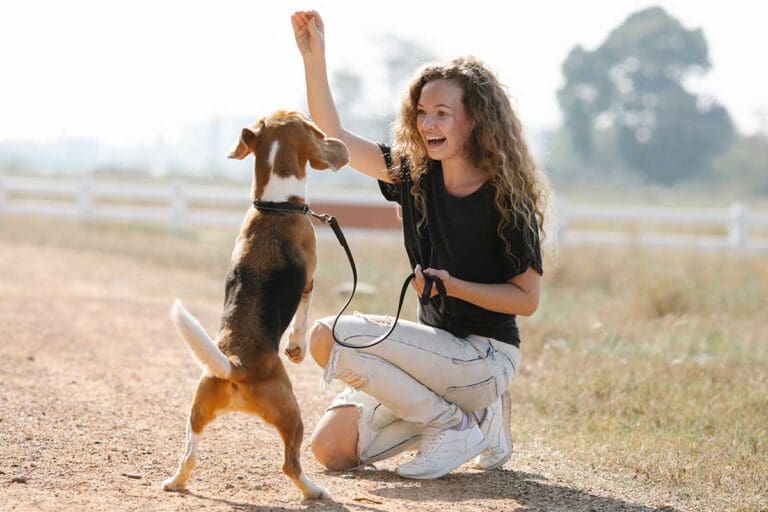
Where physical aging may cause cognitive decline, mental exercise keeps the seniors’ brains sharp. You can stimulate your dog’s mind using puzzle toys, snuffle mats, or food-dispensing games without physically straining your dog. You can teach new tricks to your dog at any age, and it works; this strengthens the bond between humans and animals. You can rotate toys every week to keep things fresh and interesting.
Older dogs like having a purpose, too, so add simple tasks into their daily routines, like getting them to find hidden treats or bringing certain toys on command. Brief training sessions, five to ten minutes, avoid fatigue while challenging problem-solving skills. Socialization remains important: consider organizing quiet playdates with gentle dog friends or taking relaxed outings to pet-friendly stores. New environments stimulate the senses and keep cognitive dysfunction syndrome, the canine version of dementia, at bay.
Read More: 10 Things Your Dog Wishes You Knew
Home Modifications for Comfortable Aging
Simple changes to the environment make life easier for the aging dog. Place ramps or pet stairs around furniture and vehicles to avoid jumping; put down nonslip mats on hardwood or tile floors as a nonslip surface to help prevent falls and build confidence.
Elevate feeding and water bowls to minimize stress on the neck when eating. As the dog’s vision deteriorates, lighting becomes even more important. Add night lights to hallways and near doors so dogs can move around safely in the dark. Keep pathways free of clutter that might trip an unsteady leg.
Supportive harnesses for dogs with severe mobility issues help with rear-end lifting, which is necessary during bathroom breaks or when navigating obstacles. Such adjustments significantly preserve independence and reduce anxiety with movement.
The effective care of the senior dog consists of providing physical support, mental stimulation, and modifying the environment to meet each changing need. Be mindful of their mobility, and adjust exercise, supplements, and the structural setup of your house according to their changing abilities. Regular veterinary checkups can catch age-related issues early in their most treatable stages. Your senior dog has given you years of unconditional love and loyalty.
These practical steps ensure that the remaining years of your companion’s life are active, comfortable, and filled with quality time with you. Establish these changes now and watch your aging companion thrive.
Read More: The Future of Pet Nutrition: Lab-Grown Meat, Insect Protein, and Plant-Based Kibble