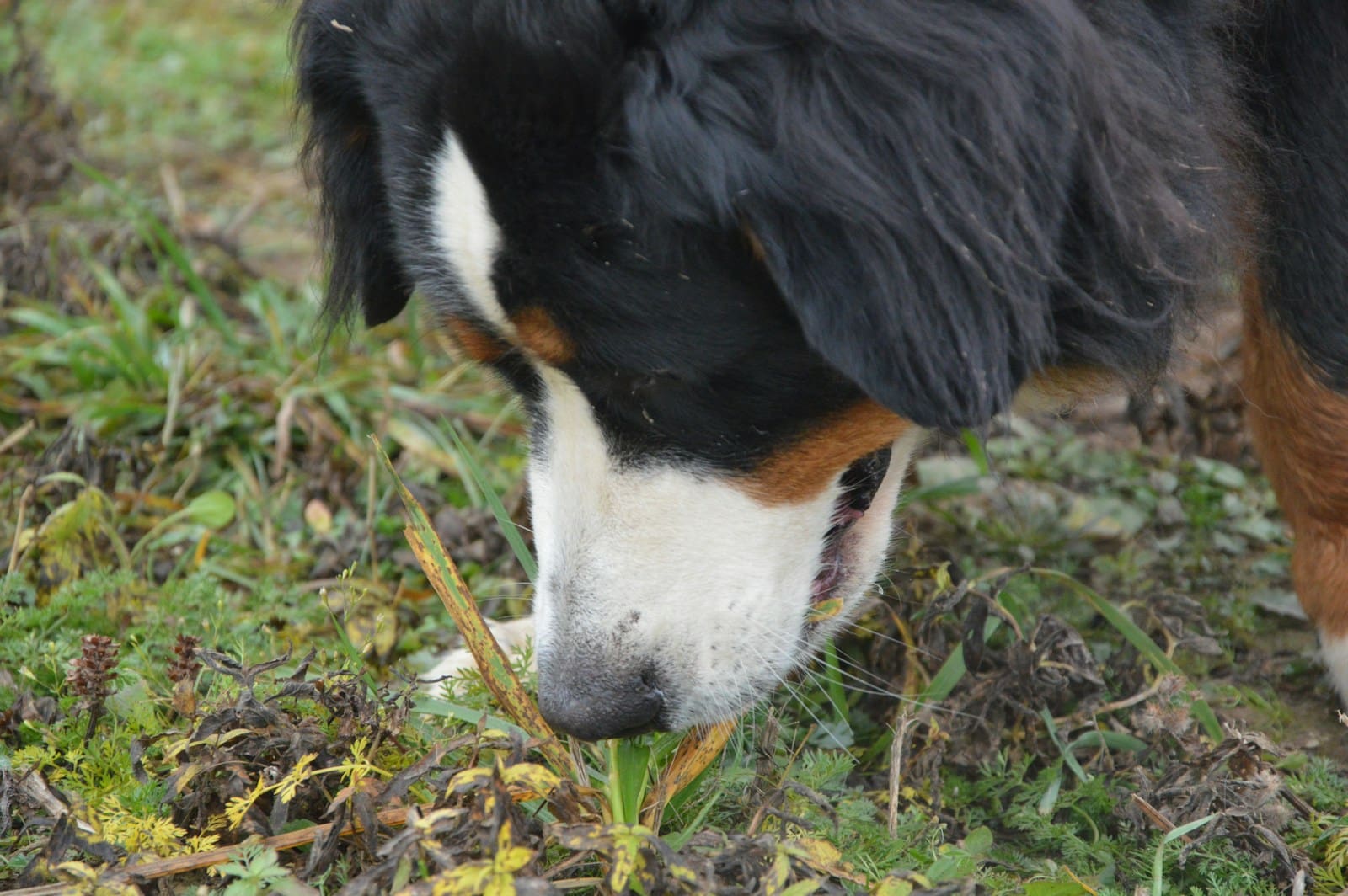
You’re walking your dog, and then he suddenly stops to chomp on the grass as if he’s at a salad bar. While this behavior is indeed very puzzling and raises concern for many pet parents, rest assured, it’s more common than you think.
Once you understand why dogs eat grass, you’ll be in a better position to separate typical canine quirkiness from warning signs of an illness. Studies have found that 79% of dogs, at some point or another, eat grass or plants, and most do so frequently. The reasons range from nutritional instincts to plain old boredom. Here’s what science reveals about eating grass and when it calls for a vet visit.
The Science behind Grass Eating Behavior
Several theories explain the eating grass habit in dogs, and the truth probably involves several factors. The most common assumption-that dogs eat grass when sick-doesn’t hold up under research. One study published in the journal Applied Animal Behaviour Science found that just eight percent of dogs showed signs of illness before eating grass, and only twenty-two percent vomited afterward.
Leading theories include:
- Ancestral Diet Instinct: Wild canids consume plant matter from the stomach of their prey as well as forage for roughage themselves.
- Nutritional – Some dogs seek fiber or micronutrients not provided in their normal diet
- Taste and texture preference: Many dogs simply love the taste and texture of fresh grass.
Dr. Benjamin Hart, a UC Davis veterinary behaviorist, did extensive research and proved that dogs eat more grass when younger compared to getting older. He said that the behavior of eating grass might have been inherited from wolf ancestors who consumed plants as a form of purging intestinal parasites, and that this instinctive behavior has remained with modern dogs, although parasites are no longer present.
Read More: Are Retractable Leashes Dangerous? What Experts Say in 2025
When Grass Eating Becomes a Problem
Most grass eating isn’t harmful, but a few patterns raise a red flag: If obsessive grass eating is accompanied by vomiting, diarrhea, or lethargy, consult a veterinarian. It could signal gastrointestinal distress, inflammatory bowel disease, or dietary deficiencies.
Watch for the following warning signs: sudden increase in grass consumption, eating grass frantically, and changes in appetite or weight loss associated with the behavior. Grass treated chemically with pesticides, herbicides, or fertilizers is very toxic. If your dog appears to be targeting lawns that are chemically treated, then prevention becomes vital. Consumption of an amount of grass, especially long grass blades that clump together in the digestive tract, can cause intestinal obstruction. If vomiting continues beyond a single instance of eating grass, immediate veterinary evaluation can rule out underlying causes.
Read More: 10 Ways to Dog-Proof Your Campsite Before Something Goes Wrong
Prevention and Management Tips
If eating grass bothers you or is excessive, several tactics can help. First, try increasing your dietary fiber by adding vegetables like green beans, carrots, or pumpkin to your meals. Many dogs reduce their grass consumption once their dietary need for fiber is met.
Offer alternative grasses, such as cat grass or wheatgrass, grown indoors, for supervised nibbling. Cure his boredom by increasing his opportunities for exercise and mental stimulation. Many dogs eat grass simply because they are understimulated or anxious. Immediately redirect your dog on a walk if he starts to reach to eat grass, commanding him through training to sit and giving him treats.
Change your walk route to avoid favorite grass-eating spots that he has grown accustomed to while working to break the habit. If your dog is a grazer, make sure your yard is free of chemicals. Natural lawn care will prevent toxicity while allowing harmless grass-eating.
Understanding why dogs exhibit this ancient behavior alleviates unnecessary worry for most pet parents. The fact is, this canine behavior seldom points to serious problems when it’s occasional and not accompanied by symptoms of illness. Monitor the frequency and context for any changes in eating patterns or overall health.
Follow your instincts about what you know is normal for your dog. And if you are ever in doubt, consult your veterinarian to rule out any potential medical problems. Your grass-grazing pup is probably just following instincts passed on from wild ancestors, but being informed means you catch problems early should they arise.
Read More: From Rescue to Royalty: The Year’s Most Heartwarming Pet Adoption Stories