
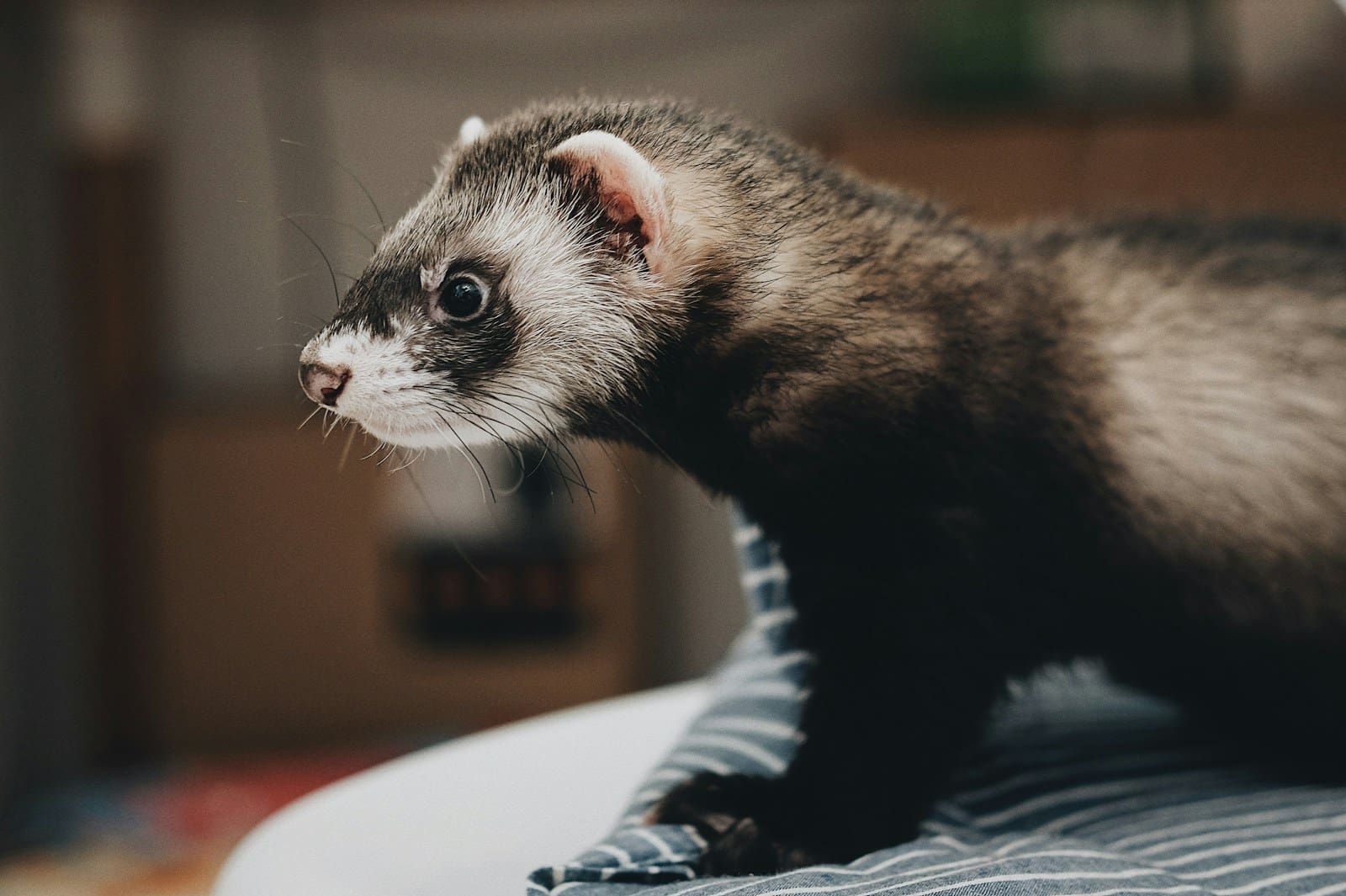
Ferrets are playful, curious, and entertaining, but they are not for everyone. These mischievous little animals, belonging to the weasel family, can form a strong bond with their owners. Yet, they are more demanding and require far more care and commitment than many people assume. Understanding what life with a ferret really entails means weighing both the joys and the challenges before deciding whether one suits your home and lifestyle.
The Joys and Challenges of Ferret Ownership
Ferrets have huge personalities packed into small, wiry bodies. They are energetic, social animals that simply love to explore and play, and this is often described as the attitude of a permanent toddler. Watching the playful “weasel war dance” or seeing them dash through tunnels and chase toys can light up any given day.
Some of the best things about keeping ferrets include:
- Affectionate companionship: Ferrets enjoy cuddling, sleeping in laps, and interacting closely with their owners.
- Intelligence and trainability: They can learn to use litter boxes, respond to names, and perform simple tricks.
- Quiet nature: They barely make any noise, and therefore you needn’t be disturbed by barking or screeching that could disturb neighbors.
They do, however, have their downsides, too: the musky smell of ferrets never really goes away, no matter how much one cleans and bathes them; their food, housing, and veterinary care can become very costly, especially as they get older. Ferrets often develop conditions like adrenal disease and insulinoma, which can cost hundreds or even thousands of pounds a year to treat.
Read More: Pet Rabbits Are Booming in 2025—Here’s What to Know Before You Adopt
Legal Restrictions You Must Know
Before you fall in love with a ferret, check whether they’re legal where you live. Some regions, including California and Hawaii, completely ban ferret ownership. Hawaii’s restrictions exist to protect its rabies-free environment, while California’s date back to fears that escaped ferrets could harm local wildlife.
Some cities, such as New York City and Washington, D.C., also ban or heavily restrict the ownership of ferrets, even though they’re legal in surrounding areas. Other states may require special permits or vaccination records. Failure to adhere to the local laws can result in fines or even the confiscation of your pet.
It’s always a good idea to check with your local council or animal control office before buying a ferret, so you won’t get into legal trouble later.
Read More: 10 Tiny Companions Perfect for Cozy Living Spaces
Creating the Right Environment
Ferrets are pets that require space, stimulation, and companionship. A cage for one ferret should be at least two feet by three feet, though bigger is always better. Multi-tiered cages with ramps and hammocks will help in keeping them fit and amused. Always secure the doors tightly because ferrets are skilled escape artists and can slip through surprisingly small gaps.
Ferrets can make wonderful and affectionate pets when properly cared for. They are by no means low-maintenance animals, but for those willing to put in the time, effort, and expense, they repay with companionship not available from any other small animal. With appropriate setup and attention, the ferrets reward owners with boundless curiosity, laughter, and love.
Read More: Why You Should Not Buy a Betta Fish For Your Child