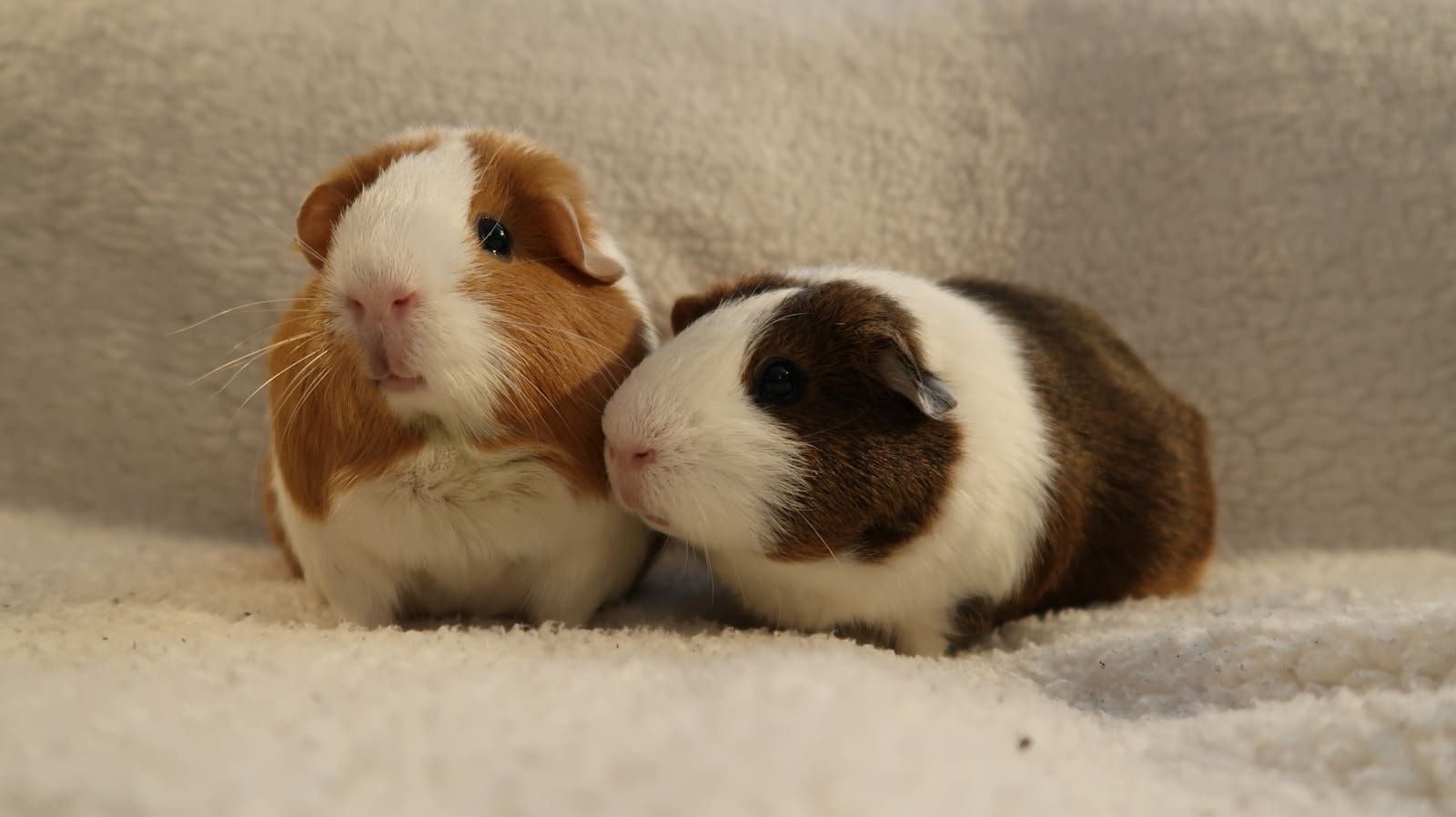
To an outsider, a guinea pig that sits alone may look contented, but it is a myth. They are animals that derive much comfort from company and, therefore, are social. They live in herds in the wild, communicating, grooming, and playing with each other. In captivity, this instinct is little different, and guinea pigs’ socialisation therefore becomes a very important aspect.
Loneliness can cause guinea pigs to become withdrawn, anxious, and even physically ill. Some countries, like Switzerland, have made it illegal to keep a single guinea pig due to the need for them to have company.
The Biological Need for Companionship
Guinea pigs are vocal animals; they use more than ten different sounds to express their feelings and maintain social contact. If they are kept alone, they miss out on this vital opportunity for natural behavior. Alone, guinea pigs may suffer from stress and loneliness. According to scientific research, isolated guinea pigs also tend to have higher levels of stress, a weaker immune system, and a shorter lifespan.
Here’s why having a buddy makes such a difference:
- They remain active: Pairs of guinea pigs play with each other, running and doing happy “popcorning” jumps.
- They eat better: Guinea pigs learn from each other and are more comfortable when they have company during eating.
- They stay clean: Friends groom the hard-to-reach spots, keeping each other’s coats and skin healthy.
Even the most affectionate owner cannot substitute for another guinea pig. Humans just don’t speak the same language or mimic the complex social cues that guinea pigs rely on. When paired properly, guinea pigs become much more alert, playful, and confident.
Read More: The Top Small Pets for First-Time Pet Owners (Other Than Dogs and Cats)
The Safe Introduction Process
Introducing guinea pigs to each other takes time and preparation. If a new guinea pig is coming from another home or a pet shop, you need to start with a two-week quarantine to prevent any possible illness. Keep the cages beside each other to allow them to see and smell their companion without any physical contact. Swap bits of bedding between cages so they can become accustomed to the others’ scents over time, reducing territorial tension later on.
When it’s time for their first meeting, select a neutral area, such as a clean floor space or a playpen. Add multiple piles of hay and vegetables, and include at least two hiding spots to prevent competition. A bit of chasing, rumbling, and mounting is completely normal, as this is how they sort out dominance. Only intervene if they rear up on hind legs, bite hard enough to draw blood, or trap each other in corners.
If aggression occurs, separate them using a towel (never your hands) and wait a day before trying again. Most guinea pigs need a few sessions before they fully relax around each other.
Read More: 10 Tiny Companions Perfect for Cozy Living Spaces
Building Lasting Bonds Between Guinea Pigs
Once both guinea pigs behave calmly with each other for at least an hour, relocate them to a totally cleaned communal cage. For the time being, do not include enclosed shelters; instead, use open tunnels to avoid any of them blocking the other. Provide two food bowls and water bottles to prevent competition and ensure both feel secure.
A few small disagreements are normal while establishing hierarchy, but true bonding usually occurs within a couple of days. Once bonded, guinea pigs should stay together, as separation can cause distress. Even during vet visits, bringing their companion along helps keep them calm.
Understanding guinea pig socialisation changes how you care for these gentle pets. When guinea pigs share their space with a friend, they become livelier, healthier, and far more content. The effort of introducing guinea pigs safely is well worth it once you see them curled up side by side, grooming each other, or happily popcorning across their cage together.
Read More: 10 Things We Get Wrong About Guinea Pigs