
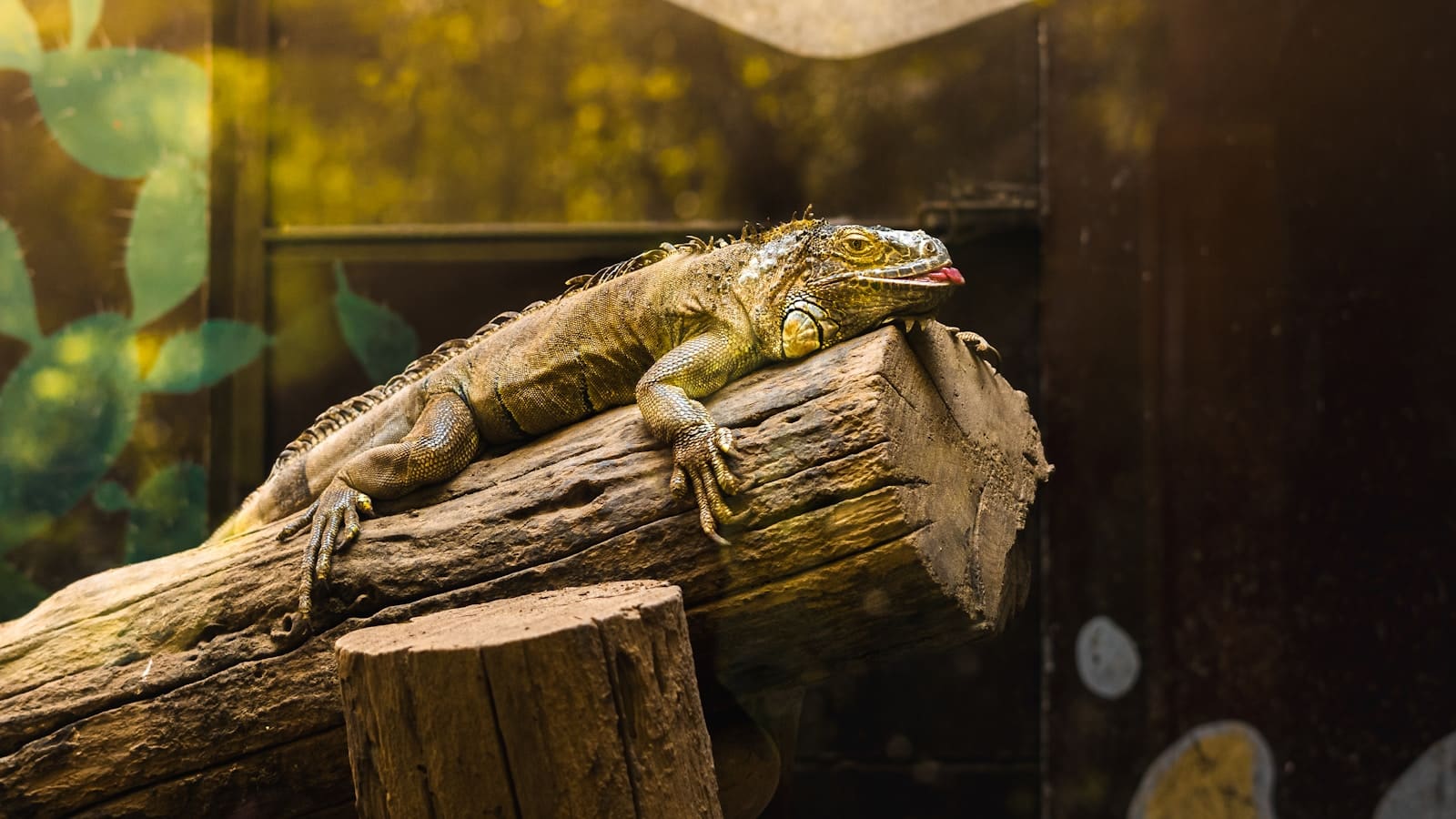
When winter comes, your reptile’s cozy home may suddenly turn into a perilous chill zone. Reptiles take their heat directly from the environment to regulate body temperature, digest food, and stay healthy. Without proper warmth, they become lethargic, stop eating, and even develop life-threatening conditions.
Setting up the right reptile heating system during winter keeps your pet comfortable and thriving, even as the temperature outside drops. Knowing how to properly mix sources of heat and insulators will help maintain safe, stable conditions without wasting energy.
Choosing Between Heat Lamps and Mats
Both heat lamps and heat mats differ in function, yet complement one another. Which one is superior depends on your reptile’s natural habits. Species that bask during the day, such as bearded dragons and iguanas, require strong overhead heat similar to sunlight. Therefore, a temperature of 95°F-110°F for basking zones should suffice, which is perfectly provided by heat lamps.
Common lamp options include:
- Basking bulbs: Provide both light and warmth for daytime use.
- Ceramic heat emitters: These produce heat without light, making them ideal for nighttime warmth.
- Infrared bulbs: These provide gentle heat with a dim red glow, ideal for nocturnal species.
Ground-dwelling reptiles, such as leopard geckos, corn snakes, and ball pythons, do best with under-tank heat mats that warm the floor. These mats create gentle belly heat that aids digestion and helps your pet move between warmer and cooler areas.
The right wattage depends on your tank size and room temperature. While a small tank might be served by a 50-watt bulb, larger or colder setups usually require 100 watts or more. Always connect heating devices to a thermostat to prevent overheating or burns. A digital thermostat with a temperature probe gives the best control and safety.
Read More: How to Tell If Your Pet Reptile Is Stressed
Insulation Techniques for Cold Climates
Even the best heating system won’t work well if your enclosure loses heat. Glass tanks, in particular, tend to lose warmth fast. Adding simple insulation around the sides and back helps keep your reptile’s environment stable while reducing energy consumption.
Styrofoam panels or cork tiles work well for this purpose. Attach them to the tank’s outer walls, leaving the front clear for viewing and airflow. Cork offers a more natural look and resists mould in humid setups.
Your choice of substrate also matters. Materials like coconut fibre or cypress mulch retain warmth better than tile or paper. These substrates let burrowing species snuggle in and conserve body heat. Just make sure what you use is safe and won’t cause impaction.
Power cuts can quickly become life-threatening for reptiles during winter. Always have an emergency heating plan in place. Hand warmers or hot water bottles wrapped in towels provide temporary heat. Moving your reptile into a smaller, more insulated container also helps maintain stable temperatures until power is restored.
Read More: 10 Reasons Reptiles Make the Best Pets EVER
Keeping Your Reptile Safe Through Winter
Good reptile heating in winter depends upon consistent monitoring. Use digital thermometers with probes in both the basking and cool zones, and check the temperatures daily until they are stabilized. Even when everything seems perfect, continue to conduct weekly checks to catch any equipment issues early.
Don’t assume your summer setup will work through cold months. As room temperatures drop, the effectiveness of heat lamps decreases. You may need higher wattage bulbs or perhaps additional sources of heat to maintain the right gradient.
A reliable heating system and proper insulation cost far less than treating a sick reptile. By keeping a steady, warm environment, you’ll help your reptile stay active, eat well, and remain healthy through the coldest months of the year.
Read More: Don’t Believe These Myths About Reptiles